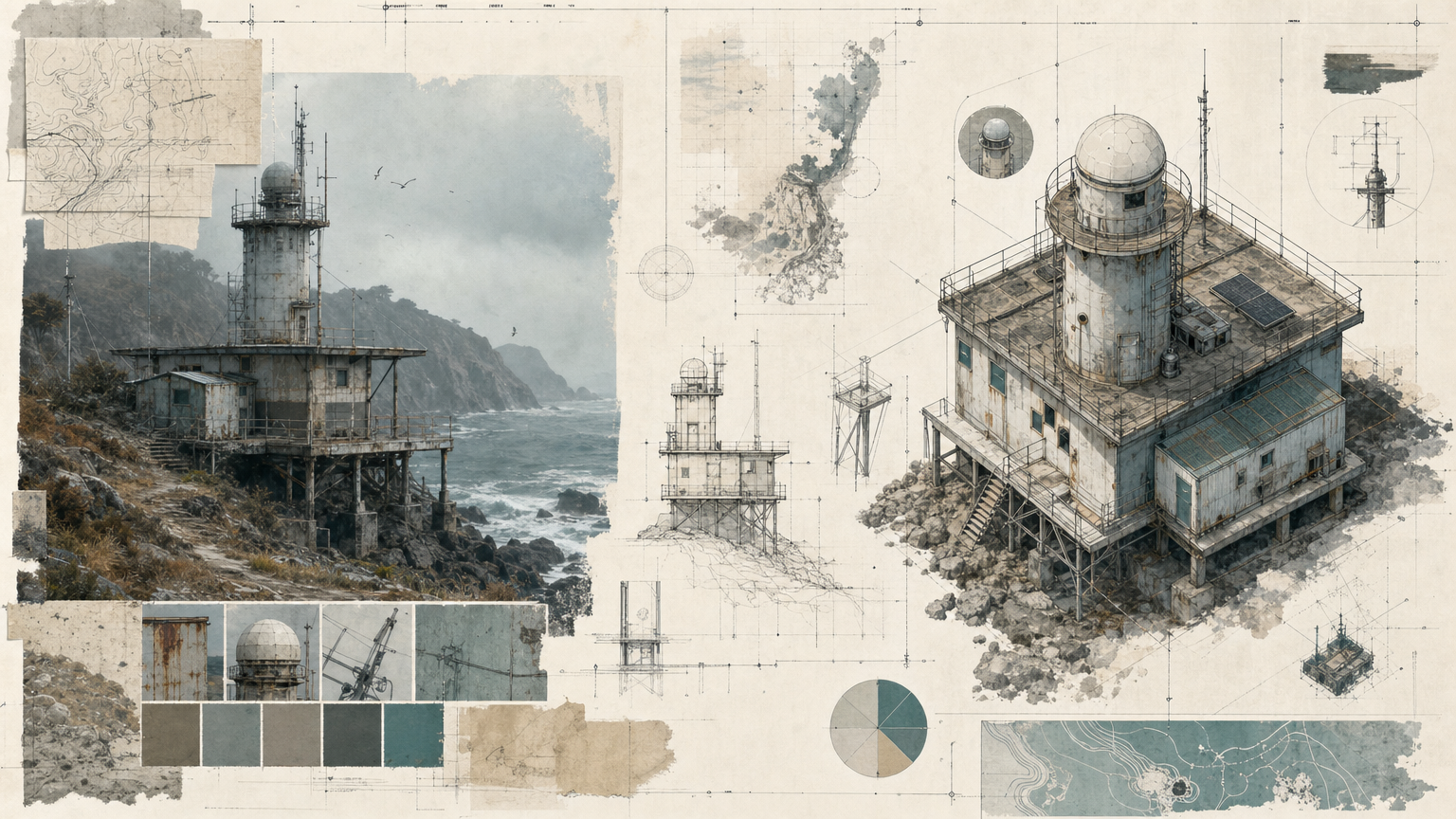
Isometric Research Collage


 +6
+6Use this Skill to build interactive system map.
Build an offline interactive system map from a written description, code evidence, or a typed node-and-edge specification. The result makes architecture, data flow, sequence, and lifecycle relationships explorable without relying on a diagram service.
Picked most often by
Updated Sep 29, 2026

This Skill creates one evidence-grounded, offline map for architecture, workflow, sequence, data flow, or lifecycle questions. The static topology remains readable while search, focus, semantic layers, zoom, and a relationship dossier support exploration.
Provide a system description, typed relationship list, or authorized repository; the question the map must answer; and any trust boundaries, protocols, states, main paths, or exceptions that must remain exact.
The workflow chooses one grammar, normalizes stable node and edge data, composes the main path before side branches, encodes meaning through multiple visual channels, and adds exploration without hiding essential relationships. Existing projects retain their own component and styling conventions.
Verification checks labels, edge direction, search, focus, layers, zoom, reset, keyboard access, narrow and wide containment, offline operation, and console output. The handoff identifies supplied evidence, observations, inferences, and unknowns.
The map is an explanatory artifact, not a code audit, capacity plan, or automatic impact analysis.
Loading reviews…