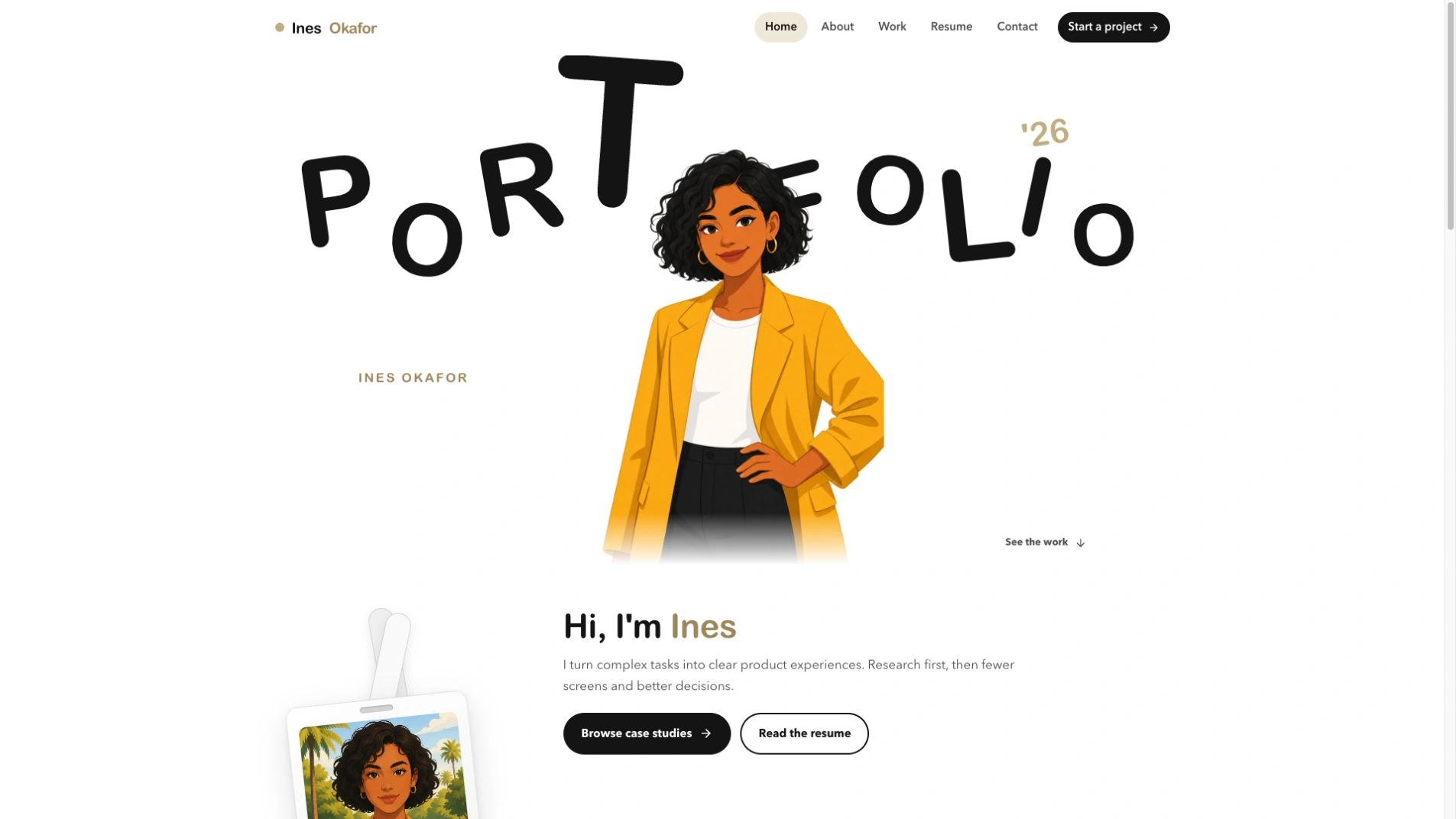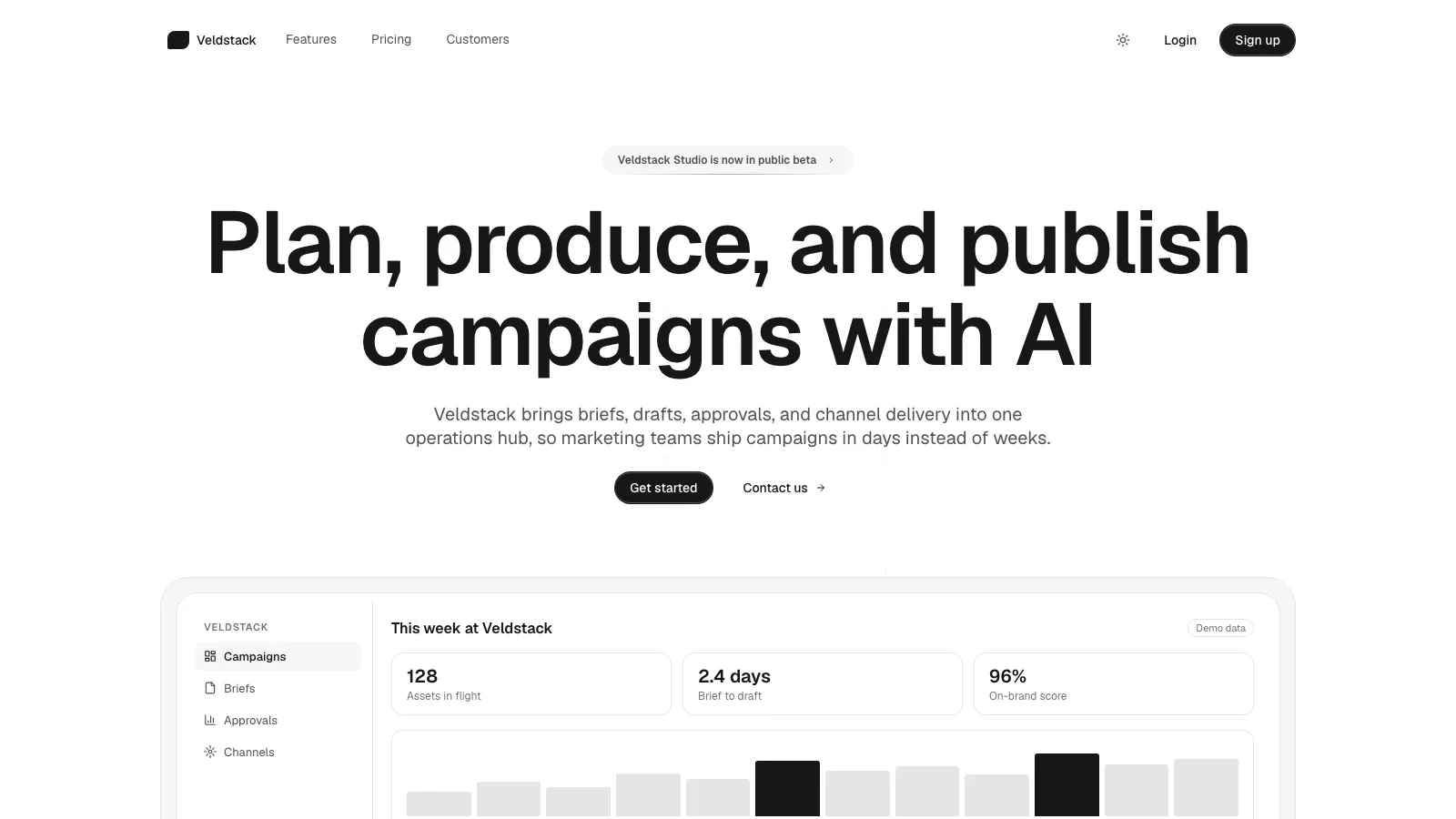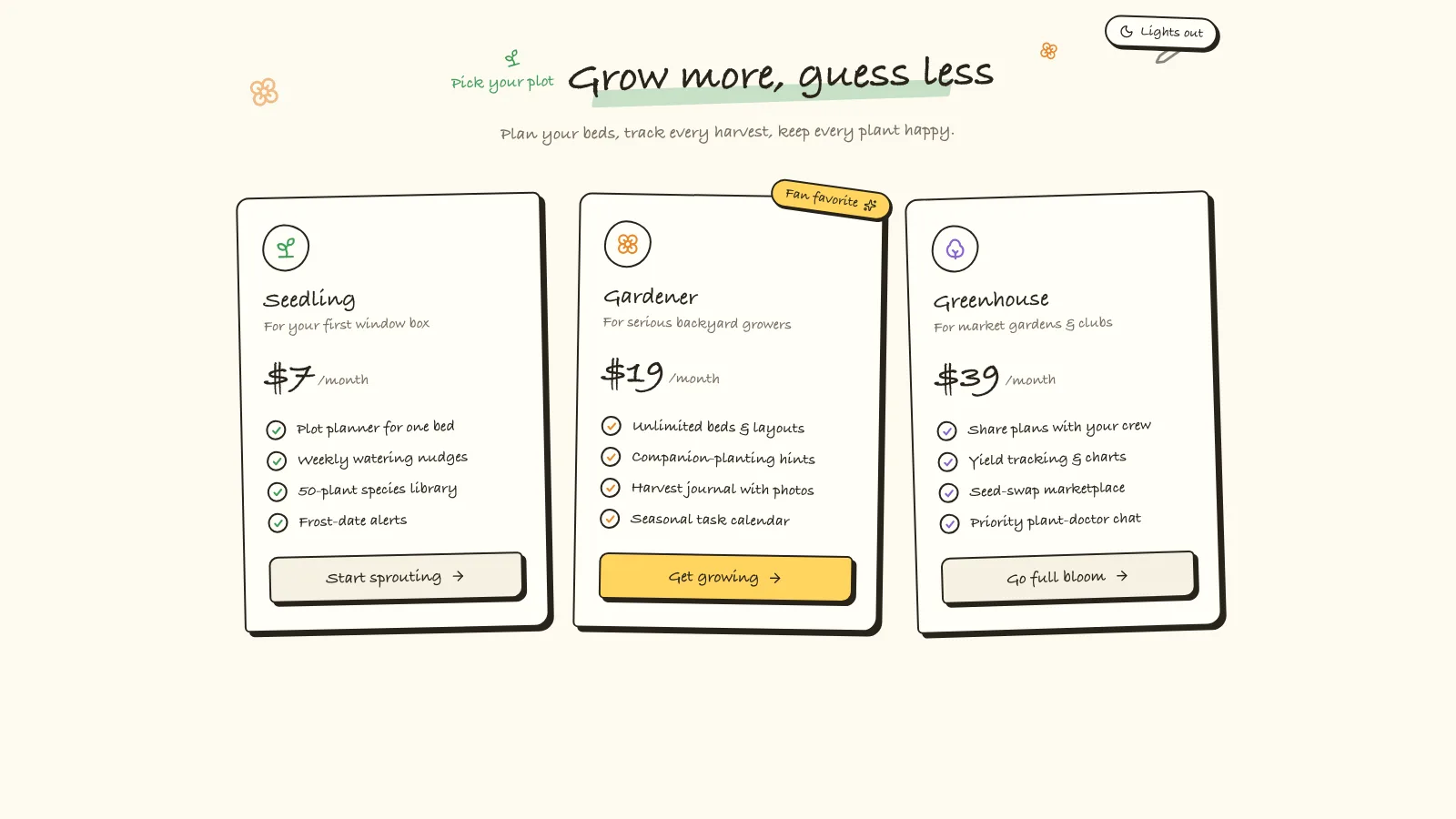


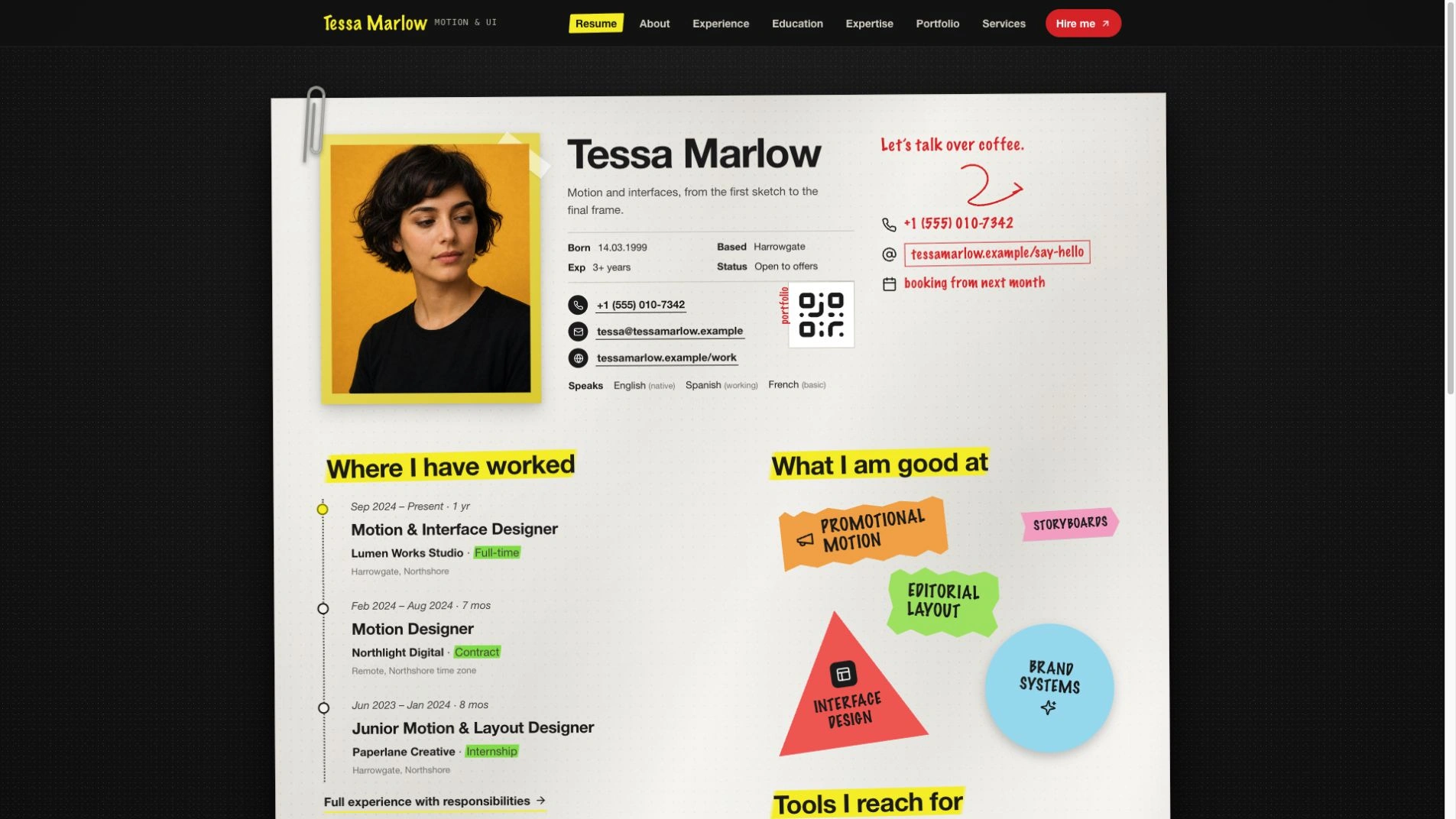
Paper-Texture Resume Site


 +6
+6Use this Skill to build website page.
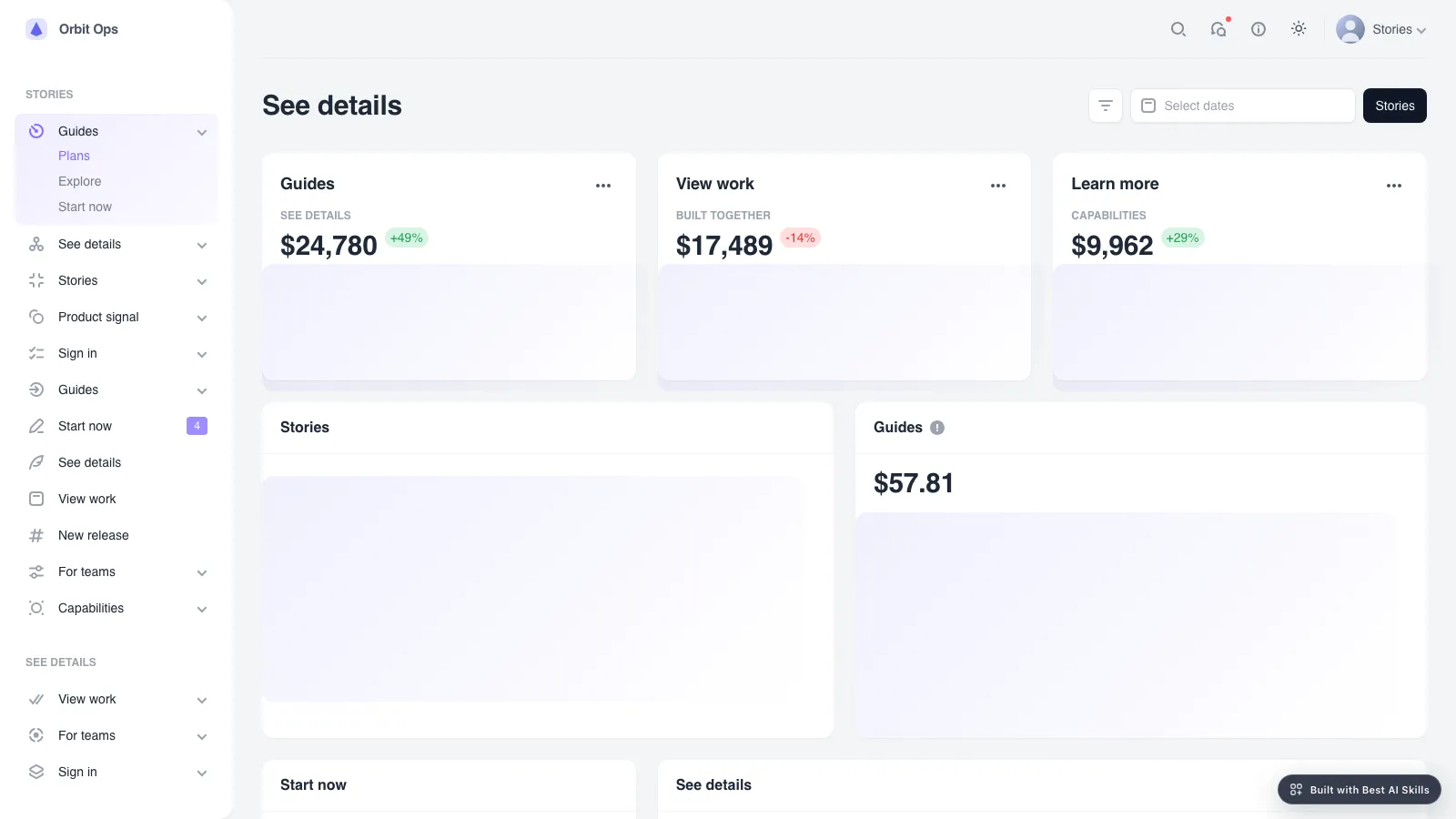
Create a responsive operations dashboard for revenue, customers, campaigns, and team workflows, using dense modular panels and clear data hierarchy. It helps operators bring scattered business activity into a credible decision surface for reviews, planning, and day-to-day management.
Picked most often by
Updated Aug 31, 2026

Orbit Admin Dashboard helps an agent build an operations dashboard for revenue, customers, campaigns, and team workflows with a locked admin-dashboard, dense-data-ui, indigo-accent, modular-panels design language.
The Skill first detects the host project's stack, then ports the locked design system into that stack. Standalone requests use a self-contained HTML file. Existing React, Next.js, Vue, Nuxt, Svelte, Astro, or plain HTML projects receive idiomatic components and styles instead.
Every name, logo, person, social profile, customer mark, media asset, and claim in the template belongs to its fictional demonstration brand, Orbit Ops. Replace the fictional copy with the buyer's real product story while keeping the hierarchy and spacing disciplined.
Run the bundled validator, open the result at desktop and mobile widths, test every interactive control, and inspect three distinct scroll regions. A finished standalone page has no network requests, no source identity, no emoji icons, and no unresolved placeholders.
Loading reviews…